
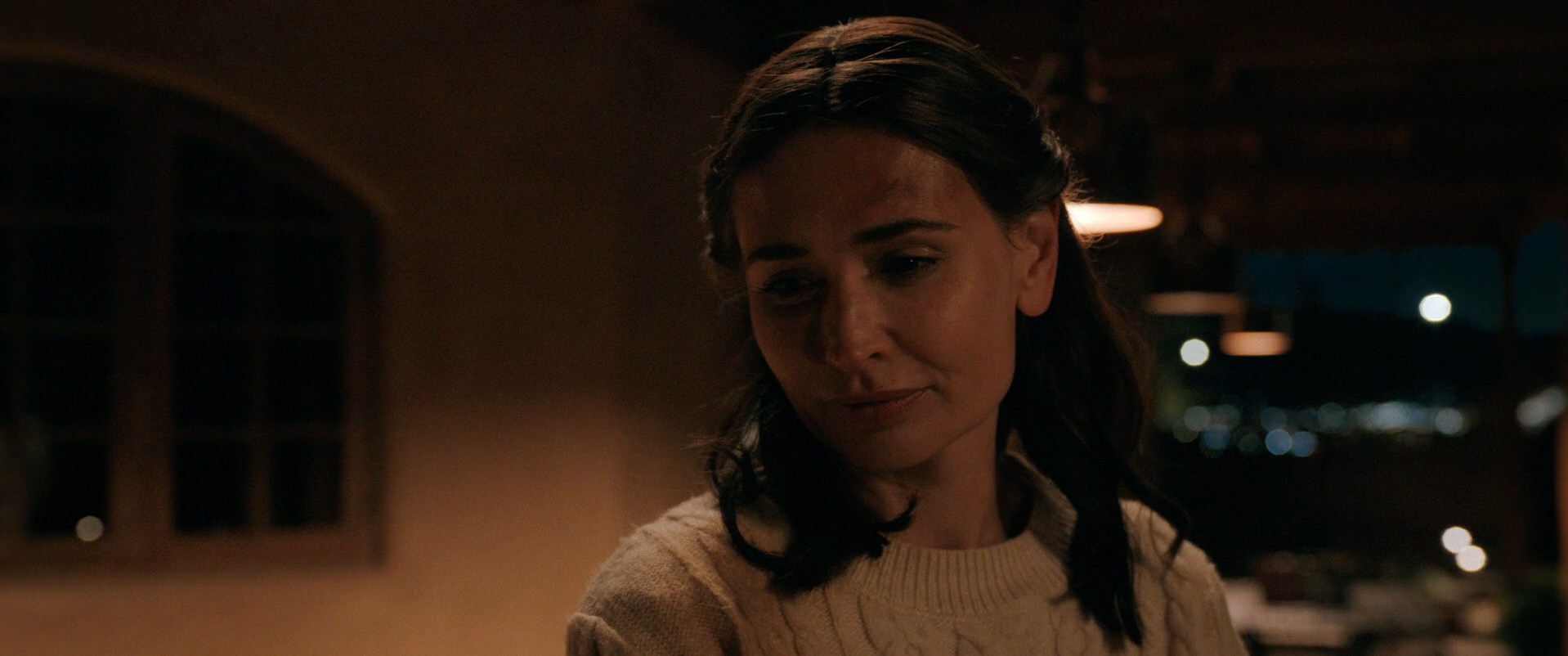

If you thought Pluribus would take a breather after its reality‑shaking premiere, buckle up. Episode two, titled “Pirate Lady”, dumps us right back into its jangled, unsettling aftermath. Vince Gilligan isn’t interested in giving us a breather; in fact, he speeds up. Instead of holding our hand through Carol’s trauma and the fallout from the Joining event, “Pirate Lady” flings our anti‑hero right into global weirdness. Yes, the world is united, but it’s not even pretending to feel familiar anymore.
Let’s get a grip on what actually went down in episode two, and why it sticks with you like black coffee after an all‑night bender.
The Cold Open Didn’t Come to Play
First off, forget sweet continuity. “Pirate Lady” yanks viewers out of Albuquerque and drops us in the middle of Tangier, Morocco. The apocalypse, it seems, wears a different face in every city. Here, the aftermath is bizarrely methodical. There’s no angry mob or panicky crowds — just a collective calmly cleaning up. Zosia is our point of view, a Tangier woman with the haggard eyes of someone who’s seen a dozen lifetimes in a week.
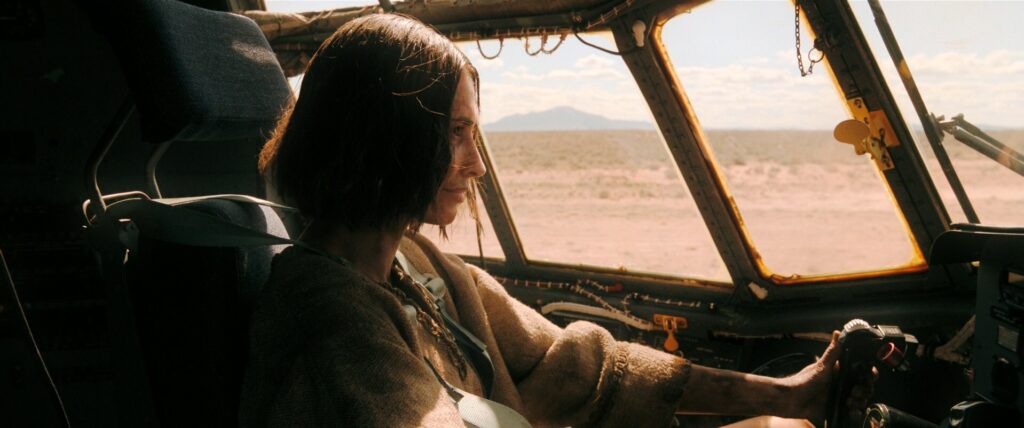
She collects bodies and disposes of them with almost clinical efficiency. By the time she’s hoisting herself onto a motorcycle and heading for the airport, the entire Joining feels less like a disaster, more like a protocol the planet quietly agreed to overnight. The episode wastes no time. As Zosia boards a flight for New Mexico, the message flashes bright: the hive mind is worldwide, mobile, and fiercely, chillingly organized. (en.wikipedia.org)
Carol’s Hellish Morning After
Back in New Mexico, the tone shifts again. Carol Sturka, our shell‑shocked protagonist, crawls off the living room floor and stares at Helen’s body. It’s a dystopian hangover scene for the ages. She grabs a shovel and drags herself outside, determined to do the right thing and bury her partner with old‑fashioned dignity. But even this act becomes a humiliating ordeal. The desert ground refuses to cooperate. Sweat rolls, tempers sizzle, and Carol’s solitary suffering stands in brutal contrast to the hive’s smooth coordination.
Then, like clockwork, a car pulls up. Zosia has arrived. The episode tags her as “Pirate Lady,” a callback to a deep cut from Carol’s own fantasy series — one nobody outside Helen should know about. And yet, here she is, standing at Carol’s door, a living, breathing copy of a private literary daydream. (pluribus.fandom.com, en.wikipedia.org)
Meet Zosia, the Hive’s Ace Emissary
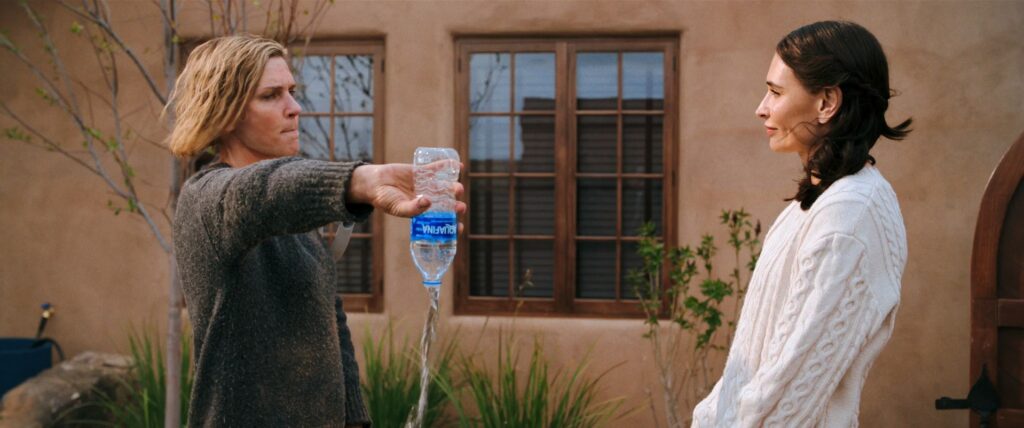
Zosia doesn’t waste time with pleasantries. She brings water, a smile, and an eerie blend of concern and condescension — the sort that comes naturally when you’re backed by eight billion minds in harmony. She claims to represent the “joined.” She assures Carol that assimilation brings only happiness, clarity, and unity. She also, with the tact of a glitchy guidance counselor, casually mentions that Helen has joined. No, Helen hasn’t just died. She’s become one with the world.
Here’s where “Pirate Lady” twists expectations: Zosia looks exactly like Carol’s original, unpublished vision of Raban, the pirate lover from her book series — a female version only Helen ever knew about. The hive, accessing Helen’s memories, crafted Zosia into an avatar of Carol’s most private creative fantasy. It’s not just weird. It’s invasive, even cruel. Carol recoils, and we feel her violation viscerally. (avclub.com, en.wikipedia.org)
Fury Goes Global
Zosia pushes, Carol pushes back. This isn’t a gentle philosophical debate. Carol’s grief and rage erupt. She yells, blames Zosia and the hive for Helen’s death, and accuses them of puppeting her loved one’s life for shallow gain. The next moment, Zosia seizes. She’s not alone. Carol runs outside looking for help, only to find every joined worker in a cataleptic state. The whole world’s stopped, frozen mid‑breath, only to restart moments later as if nothing happened.
It’s a small, terrifying reminder: Carol’s fury carries consequences on a scale no one could have imagined. She may be immune to the infection, but she’s by no means powerless.
The Cost of Resistance
When Carol tries to shut Zosia out, she gets hit with the math. Zosia, deploying bureaucratic calm, explains the price of Carol’s emotional outbursts. The numbers stagger: 886 million died during the original Joining, while Carol’s earlier outburst contributed an additional 11 million dead. That’s right — an entire country’s worth, wiped out because Carol couldn’t manage her anger.
Reviewers everywhere noticed the brutality of this premise. Time Magazine and Decider both flagged this twist as the kind of moral hand grenade only Pluribus could hurl without flinching. Carol realizes she’s become a walking disaster, her mere presence a threat to this new world’s delicate equilibrium. (time.com, decider.com)
No Place for a Hero
So, what’s a person to do after realizing that even their worst day is murderous? Carol tries to band together with other immunes. She demands a global summit, wanting to meet her scattered, equally shell‑shocked peers. Zosia, ever obliging, sets it up. The location? Bilbao Airport, Spain. The mood? Part horror movie, part bored divorce support group.
The survivors arrive with their own joined minders. Koumba, the Mauritanian playboy, descends like a king, trailed by Instagram‑ready companions. The others simply want quiet. Nobody — even those untouched by the hive — seems interested in Carol’s crusade. Some insist that their loved ones are still present “somewhere in there”; others wax philosophical about ending all pain. Carol’s plea to resist falls flat. These are not fighters. They’re tired. They’re resigned. Maybe, they’re even happy to let the world move forward without them.
A Lunch to Remember
Any hope for solidarity evaporates over Koumba’s impossibly gaudy lunch. Zosia insists the joined are non‑violent, but the numbers she drops are devastating. Carol, shocked, keeps drinking to numb the guilt, only to spiral into another fit. Once again, her rage rolls crash‑like across the network. More drop, more die.
Pluribus uses these moments for a kind of dark comedy. The more Carol tries to make a stand, the worse the world gets. Her good intentions are loaded with unintended consequences, and the hive, in its superhuman “kindness,” seems only to tighten the net.
Who Owns Zosia, Anyway?
Later, Koumba — the only other immune left — decides he wants Zosia to join him in his hedonistic exile to Las Vegas. Here’s the rub: the hive refuses to decide for Zosia, because Carol — unwillingly—“owns” her. Zosia, after all, isn’t simply another joined. She’s the living embodiment of Carol’s lost creation.
Carol wants no part of this bizarre transaction. Yet she must authorize it, or leave Zosia suspended between users like a half‑run app. So she consents, but the consent isn’t real. Nobody wins, least of all Zosia. Even she admits she feels stuck, confused, half‑herself, neither truly individual nor truly joined. (thegeektwins.com)
The Runway and What Comes Next
Carol tries to escape — back to America, to solitude, anything. But as she boards her plane, she sees Zosia being shepherded onto Koumba’s private jet. Something snaps once more. For the first time, Carol doesn’t lash out or trigger another massacre. She runs. Across the runway, she barrels toward Zosia, arguing, pleading — anything to stop this bizarre, transactional horror unfolding before her eyes.
We never see a neat resolution. “Pirate Lady” leaves this moment dangling, refusing easy closure. The show is too smart for that. Instead, it leans into ambiguity, the sense that Carol’s fight — quixotic, guilt‑soaked, and outrageously lonely — is the point.
Threads Left to Fray
By the end of episode two:
- Carol is more isolated than ever, left rejected by fellow immunes.
- Her guilt is weaponized, her ideals tested again and again.
- Zosia, the “Pirate Lady” avatar, sits somewhere between victim and enforcer.
But maybe, in that final charge across the runway, there’s a tiny spark of hope. Carol might not be able to fix the joined, or undo past deaths. But she still cares enough to try. She risks embarrassment, another outburst, even Zosia’s further pain — because, at rock bottom, resistance is simply refusing to become as numb as everyone else. She can’t save the world. She might not even save Zosia. Yet running — endlessly, messily, for someone who’s been used as a tool — is the beating heart that “Pirate Lady” pins to the screen.
Why “Pirate Lady” Hits Different
The second episode of Pluribus could have fallen into sophomore slump. Instead, Gilligan sails into deeper philosophical waters. Resistance, the show argues, doesn’t always look like blowing up parliament or plotting grand uprisings. Sometimes, it’s personal, humiliating, deeply unwanted — but it’s real. Carol becomes the accidental rebel, dragged into heroism by pain, loss, and battered conscience.
“Pirate Lady” asks if redemption is ever possible after catastrophe. Can Carol ever use her terrible power for good? Or is survival, stubbornness, and small gestures of humanity all that’s left?
As the episode closes, one thing is unmistakable: Pluribus isn’t afraid of difficult, ugly stories. In a world where everyone wants peace, sometimes the only thing worth fighting for — even through heartbreak and error — is the stubborn mess of real feeling. If episode two proved anything, it’s that Carol, for better or worse, isn’t letting that go without a sprint down the runway — even if she has to do it alone.